
Keenesburg sits on the wide-open plains of eastern Weld County, where the Front Range mountains rise in the distance and farm fields stretch in every direction. For more than a century, this town has been shaped by railroads, dryland farming, and the grit of families who worked the land.
This short history is meant as a companion to the photos, recordings, and stories you’ll find throughout Voices of Keenesburg. It gives a gentle timeline and some context, without trying to tell the whole story all at once.
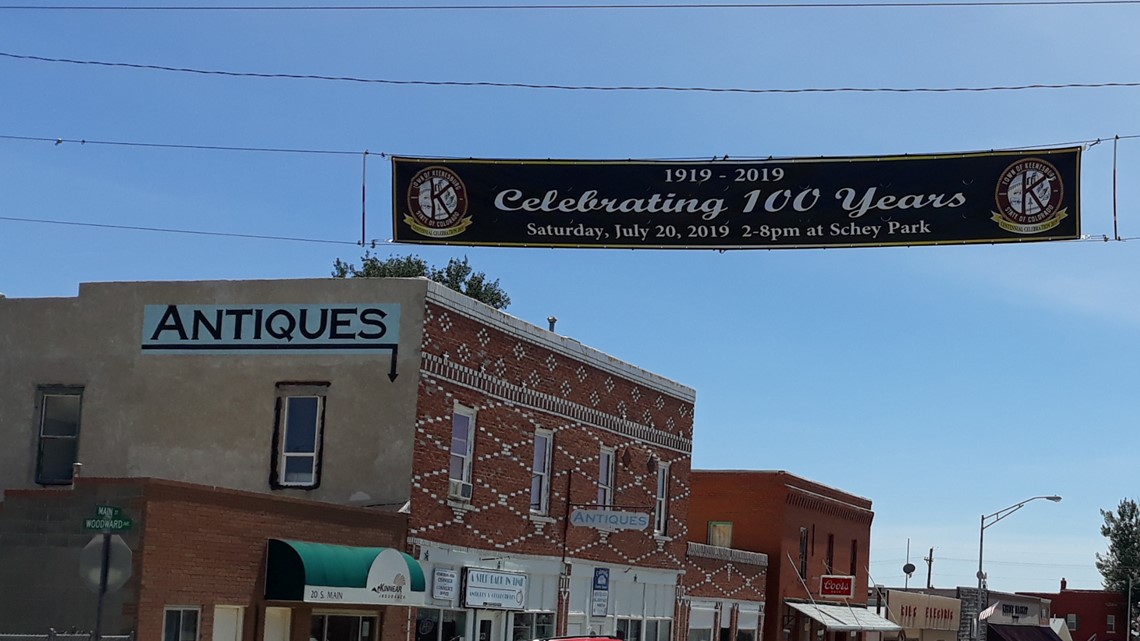
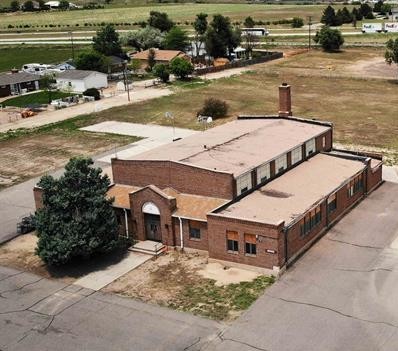
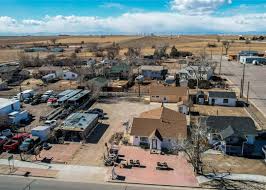
Keenesburg grew up along the railroad line that cut across the prairie in the early 1900s. Grain elevators, stock pens, and small businesses clustered near the tracks, serving nearby farms and ranches. Early businesses included general stores, service stations, and cafés that became informal gathering spots for neighbors.
As more families arrived, a proper main street took shape. Churches organized, a schoolhouse was built, and the town slowly shifted from a simple stop on the line into a community with its own rhythms and traditions.
| Decade | What Was Changing |
|---|---|
| Early 1900s | Railroad stop established; grain elevators and stock pens appear along the tracks; first businesses and homesteads take root. |
| 1920s–1930s | Main Street businesses grow; churches and community groups organize; residents weather drought and the Great Depression together. |
| 1940s–1950s | World War II and post-war years bring new families and veterans; school events, parades, and local sports help knit the town together. |
| 1960s–1980s | Highway travel changes how people move through town; farms modernize; community institutions like the school and fairgrounds remain important meeting places. |
| 1990s–2000s | New homes appear around the edges of town; some long-time businesses close while others adapt; residents work to preserve local landmarks and stories. |
| 2010s–Today | A mix of long-time families and new neighbors call Keenesburg home; interest grows in saving photos, recordings, and memories before they are lost. |
The real story of Keenesburg has always been found in the small details of daily life: muddy boots left by the back door, children racing down Broadway after school, neighbors waving from pickup trucks on gravel roads.
Farmers and ranchers watched the sky and the price of grain. Students filed into the schoolhouse for classes, ball games, and community programs. Families lined the streets for parades and packed the stands for local rodeos and football games.
Many of these moments live on in first-person recollections and family photos. You can hear and read more in the Stories section, where residents share memories of classrooms, corner stores, and long summer evenings on the porch.
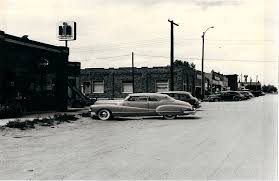
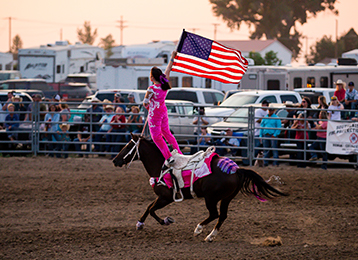
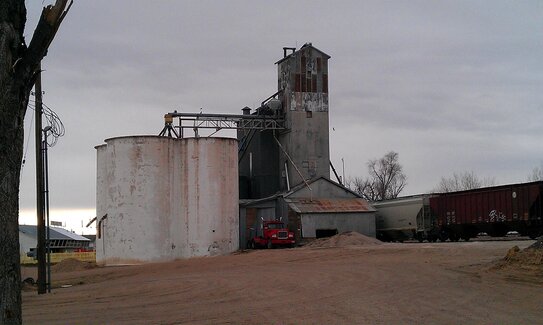
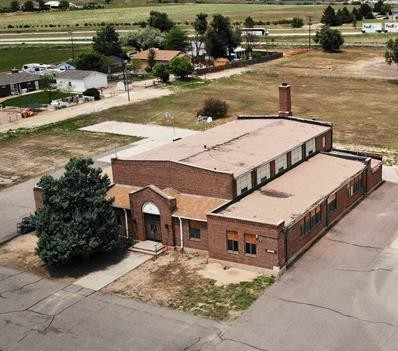
Today, Keenesburg is still a place where tractors share the roads and the horizon feels wide, even as new homes, businesses, and commuters connect the town more closely to the rest of the Front Range.
Some things have changed: familiar storefronts have come and gone, school buildings have shifted, and fields have been planted, harvested, and replanted for generations. But some things endure: people still gather at games and community events, check on neighbors after a storm, and take pride in calling this place home.
This project, Voices of Keenesburg, is one small way of honoring that mix of old and new by listening carefully to the people who live it.
No single page can capture all of Keenesburg’s history. New chapters are being written every day, and many important stories have not yet been recorded or shared.
The Keenesburg Historic Preservation Commission, through Voices of Keenesburg, is working to gather memories from long-time residents, newer neighbors, and everyone in between. Old photographs in a shoebox, a favorite family story, or a memory of a big snowstorm or parade can all help fill in the picture.
If you are willing, we invite you to share a bit of your own Keenesburg story or help someone else tell theirs.